The Craft of Glass Packaging: Transforming Your Brand Through Premium Glass Bottles
The art of glass packaging presents brands with a unique avenue for differentiation. By embracing sustainable methods, glass bottles elevate brand aesthetics and connect with sustainability-minded shoppers. Their natural characteristics, including recyclability and chemical safety, demonstrate a steadfast commitment to excellence. As organizations traverse this shifting terrain, comprehending the wide-ranging benefits and complexities of glass packaging proves vital for enduring achievement. What forward-thinking methods are companies adopting to fully harness these opportunities?
What Makes Glass Packaging the Right Choice for Your Brand
Opting for glass packaging can significantly improve a brand's image and environmental initiatives. Brands that opt for glass demonstrate a pledge to superior standards and high-end consumer experiences, appealing to discerning consumers who appreciate aesthetic and functional attributes. Glass provides a enduring and sophisticated look, strengthening a brand's visual presence while delivering a physical interaction that no alternative material can equal.
In addition, glass packaging conveys an impression of freshness and protection, as it is uncontaminated by harmful chemicals often found in plastics. This option can draw in eco-aware shoppers who link glass with environmentally sound decisions. Moreover, its long-lasting nature enables multiple uses, further reinforcing a brand's dedication to sustainability.
In a marketplace growing more conscious of environmental impact, adopting glass packaging can differentiate a brand fostering lasting loyalty and boosting customer confidence. In the end, this strategic choice positions brands as leaders in eco-conscious innovation and quality, aligning with modern consumer values.
The Environmental Advantages of Glass Bottles
Glass bottles offer considerable sustainability benefits that set them apart from alternative packaging options. Glass bottles are fully recyclable, supporting a circular economy where resources can be continuously repurposed without compromising quality. This quality considerably decreases the need for new materials, thereby minimizing natural resource extraction and energy consumption connected to production.
Furthermore, glass packaging is inert, meaning it does not seep dangerous compounds into its products, ensuring more secure consumption. Unlike plastic, glass does not add to microplastic pollution, which is a mounting environmental challenge.
The production of glass bottles similarly results in fewer greenhouse gas emissions when compared to plastic. With advancements in manufacturing processes, energy efficiency has improved, thereby reducing the carbon footprint linked to glass production.
Innovative Designs That Enhance Glass Packaging
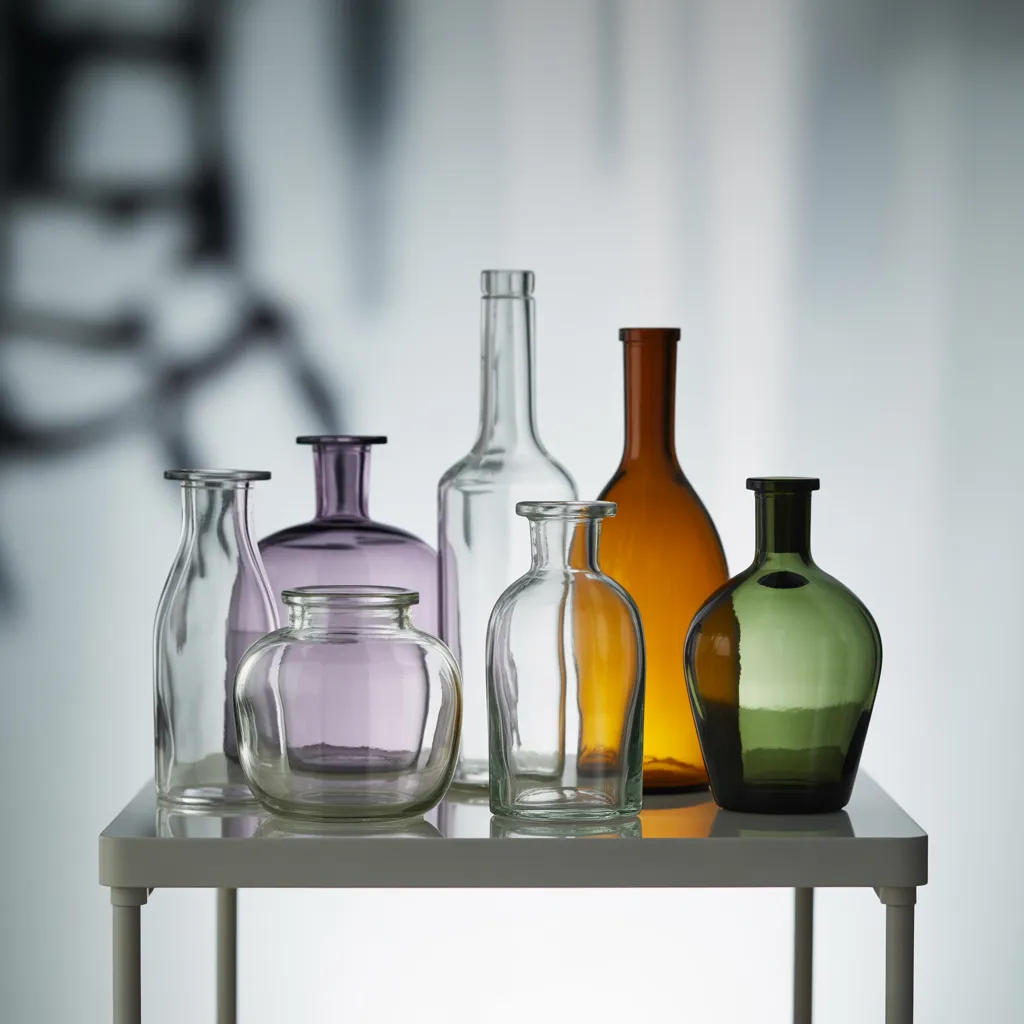
Creative designs in glass packaging are transforming how consumers view products. Unique shapes and structures not only boost practicality but also draw shopper focus. Furthermore, striking color combinations further enhance the visual impact, making glass packaging distinguish themselves in retail spaces.
Exceptional Shapes and Structures
Groundbreaking designs in packaging made from glass not only elevate the overall look but also act as a key factor in brand differentiation. Unconventional forms and structures can generate lasting impressions on consumers, helping products distinguish themselves on packed product displays. To illustrate, bottles with asymmetrical shapes or geometric patterns can inspire intrigue and promote exploration. Such distinctive designs often reflect a brand's personality, solidifying its brand narrative and ideals. Moreover, distinct shapes can improve functionality, such as more convenient gripping or optimized pouring. Brands that invest in creative glass designs demonstrate dedication to excellence and environmental responsibility, attracting environmentally conscious consumers. Through emphasizing creativity in their packaging choices, brands can cultivate more meaningful relationships with consumers, consequently strengthening customer commitment and improving market positioning.
Attention-Grabbing Color Palettes
Dynamic color schemes serve a vital function in elevating glass packaging design, turning everyday bottles into striking visual declarations. By utilizing a deliberate combination of shades, brands can evoke emotions and create memorable experiences for consumers. Striking colors can indicate superior craftsmanship, whereas gentler shades can express refinement and elegance.
Moreover, the use of gradients and multi-toned designs brings depth and sophistication, drawing attention on crowded shelves. Sustainability-driven practices further elevate the attractiveness; eco-friendly dyes and finishes resonate with conscious consumers. In the end, the perfect color palette not only embodies a brand's character but also strengthens its dedication to sustainability, establishing glass packaging as an influential instrument for standing out in a competitive market.
What Role Does Glass Packaging Play in Enhancing Product Perception?
Glass packaging markedly enhances how products are perceived through its premium feel and appeal, instilling a sense of elegance in consumers. The natural clarity and see-through quality of glass offer consumers an unrestricted look at the product, strengthening the perception of quality. Moreover, choosing glass complements sustainable brand positioning, resonating with eco-minded consumers.
Exceptional Feel And Appeal
Utilizing glass packaging greatly elevates the recognized quality of a product, often associating it with quality and refinement. Buyers commonly connect glass with luxury, contributing to enhanced brand loyalty and favorable customer interactions. The tactile nature of glass, with its refined surface and heft, establishes a high-end impression that plastic is unable to match. This tactile interaction builds a relationship between the product and the consumer, nurturing an impression of excellence. Additionally, glass packaging demonstrates a dedication to sustainability, attracting eco-aware consumers. Consequently, companies using glass packaging can position themselves as superior choices within their markets, appealing to thoughtful consumers who prioritize both visual appeal and responsible practices in their purchasing decisions.
Visual Transparency And Clarity
When consumers encounter products in glass vessels, their experience is commonly improved by the inherent visual transparency and clarity it provides. This transparency allows potential buyers to see the product inside, fostering a sense of trust and authenticity. The transparency of glass not only displays the product's excellence but also emphasizes its hue and texture, enhancing visual appeal. Additionally, the absence of labeling distractions on clear glass allows the product to take center stage, producing a more captivating retail encounter. Glass containers can enhance brand image by communicating a dedication to excellence and artisanship. This see-through quality ultimately guides customer determinations, fostering a stronger sentimental bond with the product and the company.
Environmentally Conscious Brand Positioning
Sustainability-focused brands utilize glass materials to strengthen their dedication to eco-friendly practices, successfully elevating how products are perceived. Glass communicates an impression of quality and refinement, defining a loftier benchmark when measured against plastic counterparts. This medium not only highlights the environmental principles of a brand but also attracts buyers who place importance on sustainable options. The sensory quality of glass—its density and surface—further amplifies the perceived premium nature of the product. Moreover, the ability to recycle glass resonates with the rising consumer expectation for eco-friendly practices, cultivating customer loyalty. By opting for glass, brands not only demonstrate their commitment to ecological responsibility but also present their products as top-tier selections, thus building a favorable reputation in a crowded market.
Case Studies of Brands Succeeding With Glass Packaging
A growing number of businesses are thriving by transitioning to glass packaging, highlighting its attractiveness to buyers and pledge to sustainable practices. For instance, a well-known beverage company shifted to glass bottles, producing a 30% increase in sales within a year. The transition not only boosted product visibility on shelves but also connected with eco-conscious consumers, reinforcing the brand's sustainability message.
A different beauty label made a successful switch to glass vessels, significantly enhancing its premium image. This shift drew in a committed following that prioritizes both visual appeal and eco-conscious practices. Furthermore, a craft beer producer incorporated refillable glass growlers, cultivating consumer trust and decreasing environmental impact. These case studies illustrate that glass packaging not only meets consumer demands for eco-friendly alternatives but also reinforces brand identity and market positioning. These deliberate decisions underscore an expanding movement among businesses striving to integrate eco-friendly values into their processes while resonating with contemporary buyers.
How to Overcome Challenges in Glass Packaging
Steering through the complexities of glass packaging requires creative approaches and a deep understanding of the market. Businesses often face issues such as elevated manufacturing expenses, heavy material considerations, and breakability. To overcome these, organizations can implement cutting-edge production methods that minimize material waste and improve product strength. Partnering with suppliers to source eco-friendly materials also minimizes environmental consequences while resonating with eco-aware consumers.
An additional obstacle involves transportation logistics, given glass's weight. Utilizing advanced logistics approaches, including optimized shipping methods and packaging designs, can help minimize costs and guarantee product safety during transit. Furthermore, raising consumer awareness regarding glass's superiority over plastic may cultivate customer loyalty and boost market demand. By embracing these strategies, companies can surmount challenges in glass packaging and position themselves as leaders in sustainable practices, thereby strengthening their brand reputation and market standing.
Emerging Trends in Sustainable Glass Packaging
As the demand for sustainable packaging continues to rise, the glass packaging industry is poised for transformative changes. Breakthroughs in manufacturing techniques are projected to boost energy efficiency, minimizing the carbon emissions tied to glass production. Moreover, the rise of lightweight glass bottle usage will become a defining trend, reducing shipping emissions while preserving product quality.
Recycling programs will grow increasingly strong, with increased collaboration between industry leaders and civic authorities to enhance the collection and processing of glass. Furthermore, the embedding of advanced technology in packaging solutions will allow for greater transparency in the supply chain, enabling brands to showcase their sustainability efforts effectively.
Consumer preferences for eco-friendly products will also drive the development of tailored, visually appealing designs, marrying functionality with visual appeal. As companies increasingly embrace sustainable practices, the glass packaging industry is poised to transform its strategies, addressing wider ecological objectives while satisfying the demands explore here of environmentally aware consumers.
Common Questions and Answers
What Are the Costs Involved With Glass Packaging as Opposed to Plastic?
Glass packaging commonly involves increased expenditures as a result of manufacturing, shipping, and recycling requirements relative to plastic packaging. Nevertheless, it provides sustainability benefits and enhanced brand perception, which can justify the investment for some businesses.
What Are My Options for Customizing Glass Bottles for My Brand?
Businesses can customize glass packaging with original forms, tones, and surface treatments. Custom labels, engravings, and printed artwork elevate brand image. Collaborating with vendors secures alignment with sustainability goals without compromising visual appeal and practicality.
Are There Specific Regulations for Glass Packaging?
Yes, specific regulations for glass packaging exist, differing across regions. Such regulations encompass safety standards, labeling requirements, and recycling guidelines, safeguarding consumer safety and environmental responsibility while encouraging sustainable practices in packaging manufacturing and distribution.
What Are the Most Effective Best Practices for Recycling Glass Bottles?
For effective glass bottle recycling, people should clean them out to eliminate any residue, remove lids, and sort by color. Additionally, they should review community recycling rules for designated drop-off sites to ensure correct handling and processing.
How Does Glass Packaging Affect Shipping and Logistics?
Glass packaging considerably affects shipping and logistics by increasing weight and fragility, necessitating careful handling and specialized transportation. This may result in elevated costs and more intricate supply chain management when compared to lighter and more resilient materials.